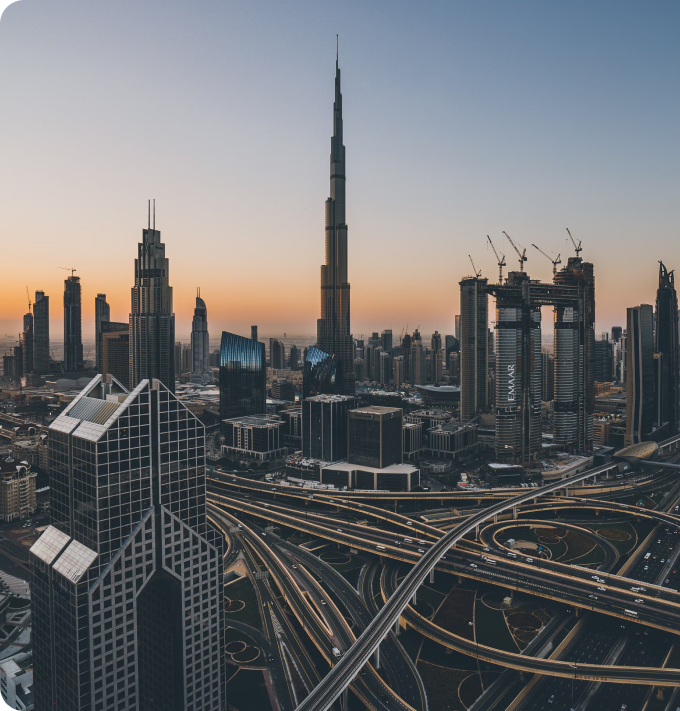
Integrating innovative practices and technologies is essential for elevating urban environments. Prioritize projects that incorporate renewable energy sources, especially solar power, which remains the most widely adopted clean-energy solution in the emirate. Elements such as vertical greenery can be used in select developments to improve air quality and support micro-biodiversity.
Smart waste-management systems are increasingly relevant for reducing landfill dependency. Implementing recycling programs, composting initiatives, and community waste-reduction schemes supports long-term sustainability goals. Including local produce markets or community farming spaces can help reduce transport emissions and promote healthier lifestyles.
Residential planning should encourage walkability and access to public transport. Developing pedestrian pathways, shaded walkways, and cycling routes reduces reliance on private vehicles. Integrating parks and native-plant landscaping within communities provides recreational areas while supporting local ecosystems.
Engaging residents in environmental awareness programs fosters a stronger sense of responsibility. Workshops and community initiatives focused on conservation, recycling, and sustainable living help increase participation and long-term commitment to greener practices.
Innovative Green Building Materials Used in Dubai Projects
Cross-laminated timber (CLT) is emerging as a viable solution for specific types of construction, offering strong environmental benefits and efficient installation.
Recycled steel is already widely used due to its durability and recyclability, extending a building’s life cycle and reducing material waste.
Hempcrete and similar biocomposite materials are being explored in select projects as experimental sustainable alternatives, offering excellent insulation and reduced carbon impact.
Photovoltaic glass allows buildings to generate solar energy while maintaining natural light, aligning with Dubai’s focus on solar integration.
Rammed earth construction, where applicable, provides high thermal mass and supports local material sourcing while enhancing architectural character.
Green roofs and modular planting systems contribute to biodiversity, reduce heat absorption, and support stormwater management.
Phase-change materials (PCMs) help stabilize indoor temperatures and reduce energy consumption, making them highly relevant for hot climates.
Bio-based insulation materials such as cellulose or wool offer renewable and effective options that support energy efficiency.
Low-VOC paints and coatings help improve indoor air quality, supporting healthier living environments.
Waste Management Strategies for Eco-Friendly Developments
Implementing source-separation systems with clear waste categories strengthens recycling participation among residents and businesses.
Composting Initiatives
Community-driven composting programs convert organic waste into nutrient-rich compost used in parks and landscaped areas, reducing landfill use.
Advanced Recycling Programs
Partnerships with specialized recycling facilities support proper disposal of electronics, metals, and other hard-to-recycle items. Educational workshops help raise awareness and improve participation.
Community Engagement in Sustainable Urban Planning
Structured public forums, surveys, and interactive planning workshops give residents a meaningful role in shaping their communities.
Effective Strategies Include:
- Hosting town hall meetings for updates and feedback
- Using social media to expand community outreach
- Enabling mobile apps for reporting concerns and submitting suggestions
- Creating advisory groups to oversee long-term sustainability goals
- Leveraging Technology
Using virtual-reality tools to present proposed projects helps residents better understand planned changes and provide informed input. Workshops on sustainable urban design promote deeper awareness and engagement.
Renewable Energy Solutions in Dubai's Eco-Friendly Initiatives
Solar power remains the cornerstone of Dubai’s clean-energy transition. Photovoltaic systems in residential and commercial developments maximize renewable-energy production and align with the emirate’s strategic sustainability goals.
Wind Energy Integration
While used on a smaller scale compared to solar, wind energy projects can complement the overall renewable-energy mix where feasible.
Waste-to-Energy Technologies
Dubai is expanding waste-to-energy capabilities to convert municipal waste into electricity, reducing landfill use and supporting circular-economy objectives.
Q&A: Top eco-friendly developments in Dubai 2026
How is sustainability shaping investor priorities in 2025 across the dubai real estate landscape?
Sustainability is increasingly influencing investor decisions in 2025, as the real estate market shifts toward eco-friendly communities and green living. Demand for sustainable homes in Dubai continues to rise, driven by initiatives such as the Dubai Clean Energy Strategy 2050 and the Dubai 2040 Urban Master Plan. Investors now view sustainable real estate as a smart investment, with projects in Dubai emphasizing clean energy, sustainable infrastructure, and modern living. This transformation reinforces confidence in dubai’s real estate and aligns long-term growth with global environmental goals.
What makes sustainable living attractive for residents seeking high-end lifestyles in top community in Dubai locations like Dubai Hills Estate and Jumeirah?
Sustainable living appeals to residents who desire both luxury living and eco-conscious lifestyles. Communities such as Dubai Hills Estate, Jumeirah, and Dubai Creek Harbour offer lush green spaces, waterfront living, and green building standards that support eco-friendly living. These sustainable homes integrate green technologies, sustainable design, and energy-efficient systems, creating a balance between comfort and environmental responsibility. As living in Dubai evolves, sustainable development ensures residents enjoy premium amenities while supporting long-term ecological well-being.
How are new developments and off-plan projects in Dubai contributing to sustainable real estate growth across the UAE?
New developments and off-plan projects across the UAE are accelerating sustainable construction by incorporating green technologies, sustainable building practices, and eco-conscious living features. Areas like Dubai South, Mohammed bin Rashid City, and Dubai Silicon Oasis focus on sustainable infrastructure, green communities in Dubai, and smart urban living. These real estate projects strengthen the future of Dubai real estate by meeting rising demand for sustainable lifestyle options and creating long-term investment opportunities that appeal to eco-conscious buyers and investors alike.
What role do major destinations such as Dubai Creek, Dubai Marina, and Downtown Dubai play in shaping the future of dubai’s real estate market as 2026 approaches?
Key destinations like Dubai Creek, Dubai Marina, and Downtown Dubai remain central to shaping the future of dubai’s real estate market as 2026 approaches. These areas continue to attract global interest through high-end offerings, waterfront living, and sustainable infrastructure. Dubai Creek Harbour, in particular, showcases sustainable development principles aligned with Dubai Municipality guidelines and the Dubai Clean Energy Strategy. As dubai continues to expand through new projects and eco-friendly homes, the demand for sustainable real estate strengthens, ensuring that urban living remains both innovative and environmentally responsible.
How is Sustainable City influencing modern real estate in Dubai as part of the broader shift toward eco-focused development?
Sustainable City serves as a leading model for real estate in Dubai, showcasing how eco-friendly design, renewable energy use, and community-focused planning can shape the future of urban living. As dubai’s green communities expand, this development highlights the benefits of investing in green solutions, offering residents lower energy costs, healthier environments, and long-term value stability.
Why do communities built around a golf course remain a top investment for buyers seeking luxury real estate in rapidly growing regions like Dubai and Abu Dhabi?
Communities featuring a golf course are highly appealing due to their scenic landscapes, low-density environments, and exclusive amenities. Such areas deliver the premium lifestyle associated with luxury real estate, attracting both local and international buyers. These enclaves in Dubai and Abu Dhabi typically maintain strong value appreciation, positioning them among the top investment choices for 2024, Dubai 2025, and 2026 and beyond.
What role does the Dubai Land Department play in shaping real estate development and ensuring that Dubai offers a transparent and secure investment environment?
The Dubai Land Department is central to regulating real estate development, maintaining transaction records, and safeguarding investor interests. By enforcing clear procedures and legal frameworks, it ensures that Dubai offers a reliable environment for property ownership. This transparency is vital for domestic and international buyers seeking structured guidance through frequently asked questions related to buying, selling, and registering property.
How does investing in green communities support long-term growth in luxury real estate as the market evolves in 2026 and beyond?
Investing in green developments strengthens the luxury real estate sector by aligning modern buyer preferences with sustainable infrastructure and environmentally conscious planning. As eco-friendly communities in Dubai gain prominence, homes designed with low-impact materials and energy-efficient systems become more desirable. This ensures long-term resilience, higher market demand, and a future-focused approach to luxury living that appeals to both residents and global investors.