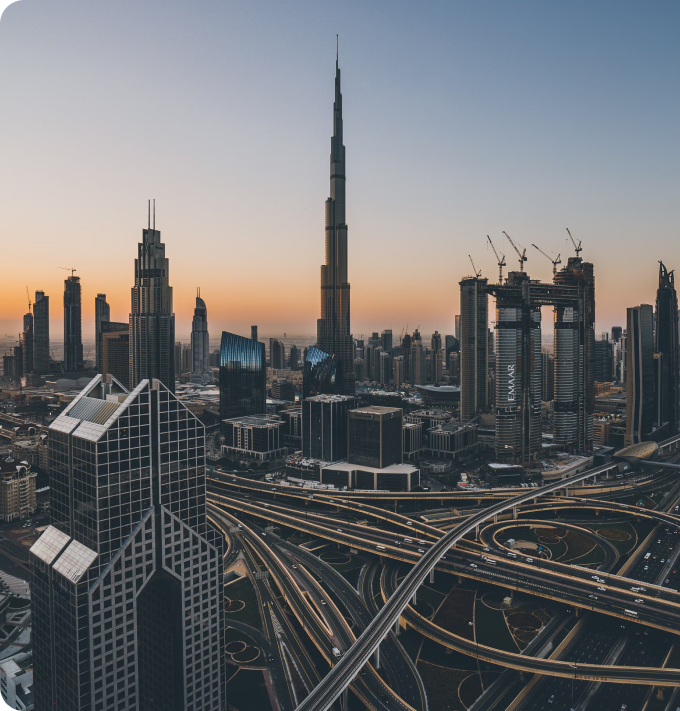
For investors eyeing urban development initiatives, a strategic approach is to focus on emerging neighborhoods undergoing significant renovations and expansions. Research indicates that specialized zones and new infrastructures can yield an appreciation rate that surpasses the average by up to 20% over the next few years. Targeting these locations can be a lucrative strategy for capitalizing on burgeoning demand.
Understanding the dynamics at play will be crucial in making informed decisions. Market analysis shows that areas adjacent to such endeavors experience a spike in buyer interest, thereby driving rental yields and resale prices. Property seekers should actively monitor announcements regarding new residential complexes and commercial hubs to identify promising investment opportunities.
Anticipate fluctuations based on completion timelines of these ambitious undertakings. Early investment can lead to substantial long-term returns as market trends shift in favor of developed locales. Commit to staying informed about legislative updates and infrastructural developments to better position your portfolio for maximum gains.
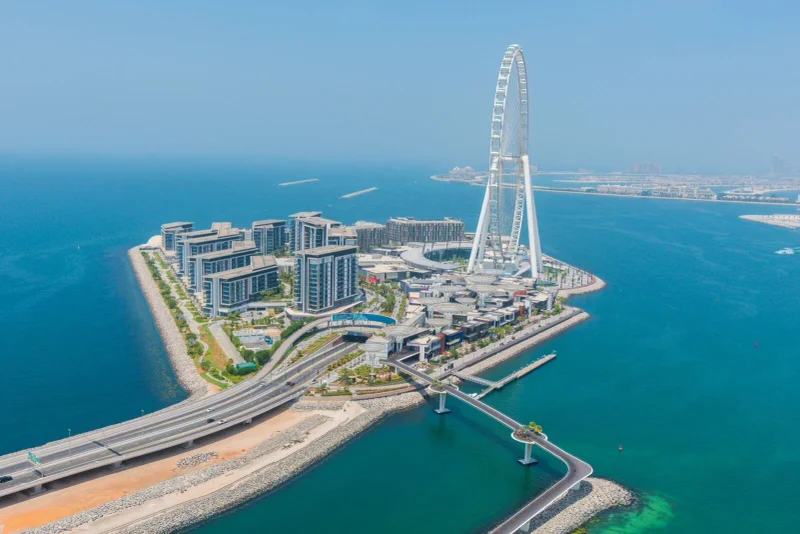
Evaluating the Influence of Expo 2020 Legacy on Real Estate Prices
The legacy of the Expo 2020 serves as a pivotal factor in shaping trends within the local real estate sector. Data indicates a projected rise in demand for housing as infrastructure improvements and new commercial spaces come online. The introduction of attractions and international events amplifies interest, driving investors and buyers towards key locations. It is advisable for stakeholders to focus investments on areas surrounding the Expo site, where accessibility and amenities are expected to thrive.
Market Dynamics Post-Expo
Historical data from prior expos suggest a spike in residential and commercial leasing rates within close proximity to event venues. Anticipate a surge in both short-term rentals and long-term investments as tourism rebounds. Analyze demographic shifts and consumer preferences to optimize property acquisitions, focusing on areas with planned developments and revitalized public transport routes. Engaging with local authorities for upcoming projects can yield strategic insight for prospective buyers and developers.
Investor Strategies
Investors should conduct thorough analyses of neighborhood growth indicators and local economic factors. Utilizing metrics such as rental yield percentages and vacancy rates can inform better decision-making. Engaging with real estate professionals who possess in-depth knowledge of post-event trends will provide a competitive edge. Long-term forecasts indicate stable appreciation for properties that meet evolving consumer demands, particularly those prioritizing sustainability and technological integration.
Assessing the Role of New Infrastructure Developments in Market Trends
Infrastructure advancements play a pivotal role in shaping real estate dynamics. It is recommended to closely monitor the following developments:
Transportation Networks
Investment in roads, transit systems, and airports significantly influences demand. Areas with improved connectivity tend to experience a surge in buyer interest, driving up prices. Focus on regions that will benefit from new highways and public transportation, as these will likely see increased appreciation rates.
Commercial Spaces
New shopping centers and business hubs enhance local economies, attracting both residents and investors. Analyze the proximity of residential developments to such commercial projects. High foot traffic and accessibility often correlate with increased property purchases. Look for trends in lease agreements and occupancy rates in new retail spaces, as these can indicate overall market health.
Ensuring awareness of these trends will help in making informed investment decisions, taking advantage of the anticipated growth stemming from infrastructure enhancements.
Analyzing the Effects of Tourism Growth on Property Demand
The surge in visitors directly influences the need for residential and commercial spaces. A focused approach involves assessing the types of accommodations trending among tourists. Short-term rentals remain in high demand, showcasing the necessity for developers to prioritize this segment.
Statistics indicate a correlation between increased tourist arrivals and higher occupancy rates in rental markets. Areas with high foot traffic and attractions see a 15-20% rise in rental prices annually. Focusing development efforts in proximity to popular destinations can yield substantial returns.
Investors should consider diversified offerings, such as luxury apartments and affordable housing to cater to various traveler segments. Amenities aligned with tourism preferences, such as pools, gyms, and proximity to transit, are crucial for attracting renters.
Aligning investments with tourism infrastructure improvements directly enhances desirability. Potential sectors include mixed-use developments that combine hospitality with residential units, enhancing overall value. Engaging in such projects guarantees greater resilience to market fluctuations and boosts long-term viability.
Monitoring local tourism statistics, including visitor demographics and spending behavior, supports informed investment decisions. Collaborations with tourism boards can yield insights into upcoming trends, allowing for proactive adjustments in property offerings.
Identifying Key Areas for Investment Based on Mega-Project Outcomes
Investing in high-potential regions will yield substantial returns. Focus on the following areas:
- Transport Hubs: Evaluate locations near new transportation networks. Areas surrounding upgrades to roads and public transit will attract both residents and businesses.
- Commercial Centers: Look for developments in business districts that promise increased foot traffic and commercial activity. Investments here typically appreciate faster due to demand.
- Tourism Hotspots: Properties near newly constructed attractions or hotels can see rental prices surge. Consider surrounding neighborhoods that will benefit from visitor influx.
- Residential Developments: Analyze districts with new housing initiatives aimed at diverse demographics, including families and professionals. High-quality facilities will enhance appeal and pricing.
- Innovative Districts: Identify areas targeted for tech parks and innovation centers. Proximity to these hubs can elevate real estate values significantly.
- Sustainability Projects: Engage with areas showcasing eco-friendly initiatives. Properties integrated with green technologies or parks generally see heightened interest from buyers and renters.
Utilizing data analytics and market trends will further refine investment decisions. Prioritize sites with favorable government policies and infrastructure plans for increased profitability.
Q&A: Dubai mega-projects impact on property values in 2026
How are dubai real estate trends shaping property investment choices in key areas such as dubai south, downtown dubai, and jumeirah as the property market moves toward 2025 and the market in 2026?
Current dubai real estate trends show strong demand in master-planned communities like dubai south, downtown dubai, and jumeirah, where new infrastructure and lifestyle offerings strengthen the property market outlook. As 2025 approaches and analysts assess the market in 2026, buyers increasingly target locations with upcoming projects, metro expansions, and strong amenities. These districts offer both lifestyle value and long-term capital appreciation, making them prime choices for strategic property investment across Dubai’s evolving landscape.
What makes off-plan projects attractive for foreign investment and real estate investors seeking flexible payment plans and competitive entry price options?
Off-plan developments appeal to global and regional buyers because they typically provide a lower entry price, phased payment plans, and strong potential for capital appreciation in dubai before handover. Many off-plan projects in dubai—including those in dubai hills estate, dubai creek harbour, and business bay—draw significant foreign investment due to modern amenities and favorable regulations supported by the dubai land department. These advantages make such properties ideal for investors seeking growth in the dubai real estate market and the broader uae property market.
How does proximity to metro stations and new metro extensions influence dubai property price trends and long-term value forecasts for 2026 real estate?
Properties located near metro stations and upcoming metro extensions consistently show higher demand and increased property price resilience. As Dubai expands its transport network, analysts include these factors in property market forecast for 2026 projections, indicating stronger performance for connected communities. Areas such as jvc, dubai marina, dubai silicon oasis, and jumeirah village circle benefit most, attracting buyers and renters who value accessibility. These transport advantages drive higher rental yields and reinforce Dubai’s position in global real estate markets.
Why are dubai off-plan properties and waterfront developments considered top opportunities for real estate investors planning for outlook 2026 and beyond?
Dubai off-plan properties and waterfront locations gain strong attention because they offer prime lifestyle appeal and robust dubai investment potential. With the real estate outlook pointing to sustained demand and strategic expansion in areas like dubai creek harbour, jumeirah, and business bay, such projects align with long-term wealth strategies. As 2026 handover cycles increase supply, investors focused on long-term property value and capital appreciation can benefit from favorable pricing, updated infrastructure, and growth supported by uae real estate regulations.
How does aed pricing influence decisions for buyers investing in dubai, especially as the dubai property market prepares for outlook for 2026 and potential market correction trends?
Fluctuations in aed pricing play a key role for regional and international buyers investing in dubai, as stability in the currency supports predictable valuations within the dubai property market. With analysts reviewing the outlook for 2026, the possibility of a mild market correction encourages buyers to focus on long-term fundamentals rather than short-term shifts. Stable pricing, strong demand, and regulatory clarity ensure that dubai’s real estate market remains resilient and attractive for strategic acquisitions.
What role do off-plan projects in dubai play for buyers planning to buy property ahead of the property market in 2026 and the broader real estate market in 2026?
Off-plan projects in dubai continue to attract buyers seeking early entry into emerging communities, competitive pricing, and structured payment plans. Those planning to buy property ahead of the property market in 2026 benefit from lower initial costs, higher growth potential, and delayed full payment commitments. As the wider real estate market in 2026 evolves, off-plan investments provide opportunities for capital appreciation, appealing to both investors and end-users planning for dubai in 2026.
How does property ownership in the uae compare between dubai’s property market and abu dhabi real estate, especially as both cities move toward market 2026?
Property ownership regulations in the UAE allow foreign buyers to purchase in designated freehold zones, with dubai’s property market offering broad accessibility across dozens of communities. In contrast, abu dhabi real estate provides freehold rights in select investment zones, offering secure but more limited options. As both markets progress toward market 2026, they remain highly appealing, with Dubai’s extensive freehold areas and strong transactional activity making it a leading hub for global investors.
Why is working with a real estate agent beneficial when navigating dubai’s real estate market and understanding average property values amid price correction expectations for dubai 2026?
A knowledgeable real estate agent helps buyers interpret average property prices, understand trends related to price correction, and navigate regulations set by real estate regulatory authorities. As forecasts for dubai 2026 indicate steady growth with occasional adjustments, professional guidance ensures buyers make well-informed decisions. With deep insight into dubai’s real estate market, agents help investors secure properties aligned with financial objectives while navigating the evolving landscape of the UAE’s dynamic real estate sector.