As Dubai continues strengthening its position as a global investment hub, the real estate market in 2025 shows stable performance, sustained demand, and strong investor confidence. Understanding midyear data and emerging trends will help investors make informed decisions and identify high-potential opportunities.
Priorities for Investors in 2025
Focus on High-Demand Neighborhoods
Infrastructure expansion and ongoing master-planned developments continue to boost demand in emerging areas. Locations benefiting from improved connectivity, modern amenities, and new community projects are expected to outperform established districts in the medium term.
Sustainable Projects Gaining Interest
Eco-friendly buildings, green certifications, and energy-efficient systems attract buyers seeking modern, responsible living. Properties with sustainability features tend to maintain stronger long-term value and rental appeal.
Short-Term Rental Demand Remains Firm
With year-round tourism and a growing events calendar, short-term rentals continue to generate solid yields. Areas close to business districts, beaches, and entertainment zones remain especially attractive for investors targeting the hospitality segment.
Financing Options Becoming More Competitive
Banks in the UAE offer competitive mortgage rates and flexible terms, including products tailored for expatriates. Developer payment plans remain popular for investors seeking smoother cash-flow strategies over the construction cycle.
Stay Updated on Regulations
Policy adjustments by the Dubai Land Department (DLD) and the Real Estate Regulatory Agency (RERA) directly affect ownership, fees, and transaction procedures. Monitoring these updates ensures compliance and helps investors benefit from new initiatives supporting market growth.
Key Trends Shaping Dubai’s Real Estate Landscape
Rising Demand for Luxury Homes
Villas, townhouses, and prime apartments continue to experience strong demand from wealthy buyers relocating to Dubai. Premium communities like Palm Jumeirah, Dubai Hills Estate, and Emirates Hills remain among the most desirable.
Growth in Emerging Urban Districts
New metro expansions (announced but not launching in 2025), upgraded road networks, and commercial hubs stimulate interest in developing neighborhoods. These areas offer competitive pricing and long-term growth potential.
Long-Term Residency Incentives
Visa reforms—such as Golden Visa eligibility for property investors meeting minimum thresholds—continue to strengthen foreign buyer demand and enhance long-term market stability.
Technology Transforming Real Estate
Virtual property tours, online transactions, and digital verification tools simplify operations for both investors and agencies. This digital shift enhances transparency and speeds up decision-making.
Expansion of Short-Term Rentals
Tourism recovery and strong visitor inflow support the short-term rental market. Properties near beaches, cultural attractions, and business hubs offer above-average yields.
Investment Potential in Emerging Neighborhoods
Promising Areas: Al Furjan & Dubai South
These communities benefit from ongoing infrastructure projects, new residential clusters, and improved connectivity. Analysts expect continued healthy price appreciation, supported by population growth and increasing demand for modern, affordable homes.
Research Demographic Drivers
Growing expatriate inflow and demand from young professionals contribute to competition for mid-range rental units. Studying demographic shifts can help investors choose high-yield locations.
Connectivity & Amenities Matter
Areas with direct access to major roads, public transport expansions, schools, and healthcare facilities typically appreciate faster over time. Properties near education clusters or employment hubs show stronger occupancy rates.
Developer Reputation
Always verify the track record of developers, construction timelines, and financial stability. Established developers with a proven delivery record provide lower investment risk.
Regulatory Changes Influencing Property Ownership
Foreign Ownership
Foreign investors can purchase freehold properties in designated zones with full ownership rights. These policies continue attracting international capital and strengthening Dubai’s position as a global real estate hub.
Fees & Taxes
The UAE has no capital gains tax, no annual property tax, and no stamp duty. The primary transaction cost is the 4% DLD transfer fee, which remains unchanged in 2025.
Escrow Protections
All off-plan payments must go through RERA-approved escrow accounts, ensuring developers receive funds only according to construction progress — a key safeguard for buyers.
Loan-to-Value Flexibility
Banks offer competitive LTV ratios, typically:
- up to 75–80% for expatriates,
- up to 80–85% for UAE nationals (varies per bank).
Government-Backed Support
The government continues improving transparency, regulatory clarity, and digital services, making transactions smoother and more secure.
High-Return Strategies for 2025
1. Investing in Emerging Districts
New communities with large-scale master plans remain strong performers in terms of appreciation and rental yields.
2. Buying Off-Plan
Off-plan properties offer lower entry prices, staged payments, and significant capital appreciation upon completion. Due diligence on developers is essential.
3. Short-Term Rentals
Properties near beaches, Downtown Dubai, Dubai Marina, and business hubs offer premium nightly rates and high occupancy.
4. Commercial and Hybrid Spaces
Demand for flexible office formats continues, creating opportunities in mixed-use developments.
5. Data-Driven Decision Making
Use professional market reports, rental indices, and price-per-sqft analysis to track trends and forecast performance accurately.
Global Economic Factors Influencing Stability
Diversification Reduces Risk
Investing across different asset classes — residential, commercial, and off-plan — helps balance exposure to global economic shifts.
Interest Rates
Global rate fluctuations affect mortgage affordability. Investors should track central bank policies to time financing decisions effectively.
Geopolitical Stability
Dubai’s reputation as a safe, neutral, and business-friendly hub attracts long-term international investment even during global uncertainty.
Inflation Monitoring
While inflation remains manageable in the UAE, global price pressures may influence construction costs or financing conditions.
Technology Adoption
Smart-home technology, digital payments, and immersive virtual viewings increase buyer engagement and support long-term value.
Financing Options for Real Estate Investors in 2025
1. Mortgages from UAE Banks
Local banks offer competitive interest rates and flexible terms for both residents and non-residents.
2. Developer Payment Plans
Popular for off-plan properties. Often include low booking fees and staggered installments aligned with construction phases.
3. Personal Loans
Useful for smaller investments, though interest rates are higher.
4. Mortgage Brokers
Working with brokers simplifies comparisons and provides access to exclusive lender products.
Before choosing, evaluate:
- total borrowing cost,
- down payment requirements,
- repayment options,
- eligibility criteria.
FAQ Real Estate Market Growth in Dubai
How did Dubai’s real estate sector perform in 2024, and which areas led the market going into 2025?
Dubai experienced strong demand in 2024 with notable increases in transaction volumes. Areas such as Dubai Marina and Dubai Hills Estate outperformed due to premium amenities, strong rental demand, and lifestyle appeal. Entering 2025, these districts continue to attract buyers and investors.
How have Dubai property prices behaved in the first half of 2025?
Prices across villas and apartments continued rising, supported by steady demand, strong off-plan sales, and limited new supply in prime areas. Market reports confirm ongoing year-on-year growth, particularly in premium communities.
What does the rental market show about overall market strength?
Dubai’s rental prices continued climbing in Q3 2025 due to high demand from expatriates and professionals relocating to the UAE. Key areas such as Downtown Dubai, Marina, and Dubai Hills Estate recorded some of the strongest rental increases.
Why does Dubai’s market remain resilient through 2025?
Consistent inward migration, business-friendly policies, investor confidence, and steady development activity keep the market stable. Data from the first nine months of 2025 shows sustained demand and high transaction volumes.
How are prices in Dubai expected to move throughout 2025?
Forecasts indicate continued upward movement, driven by expanding infrastructure, population growth, and increased foreign investment. Dubai remains one of the most stable and attractive global property markets.
How do rising transactions, especially off-plan sales, affect the market?
Off-plan sales remain a major contributor to market momentum. Strong investor interest and competitive payment plans keep demand high, particularly in waterfront and master-planned communities.
Why does Dubai Marina continue performing strongly?
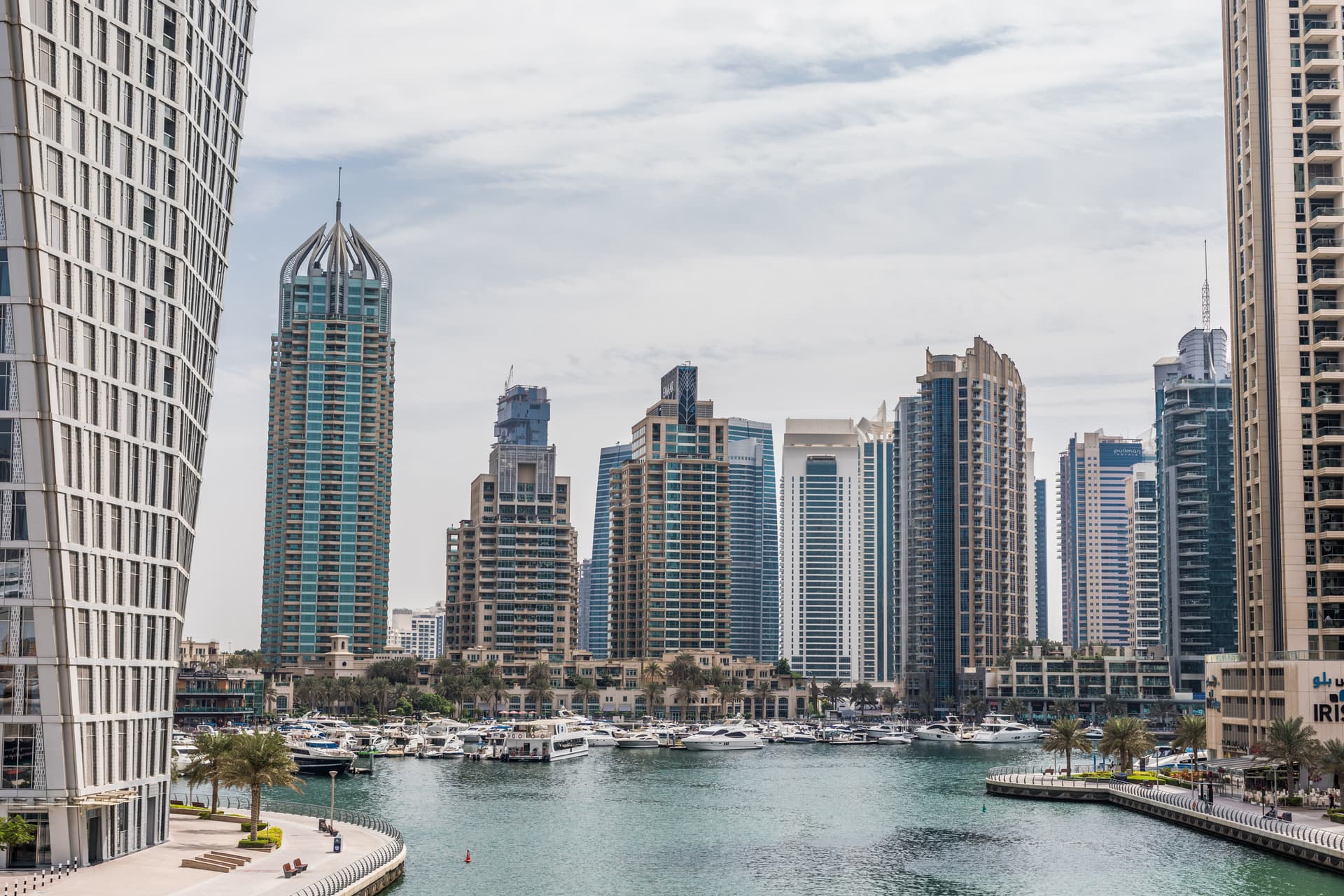
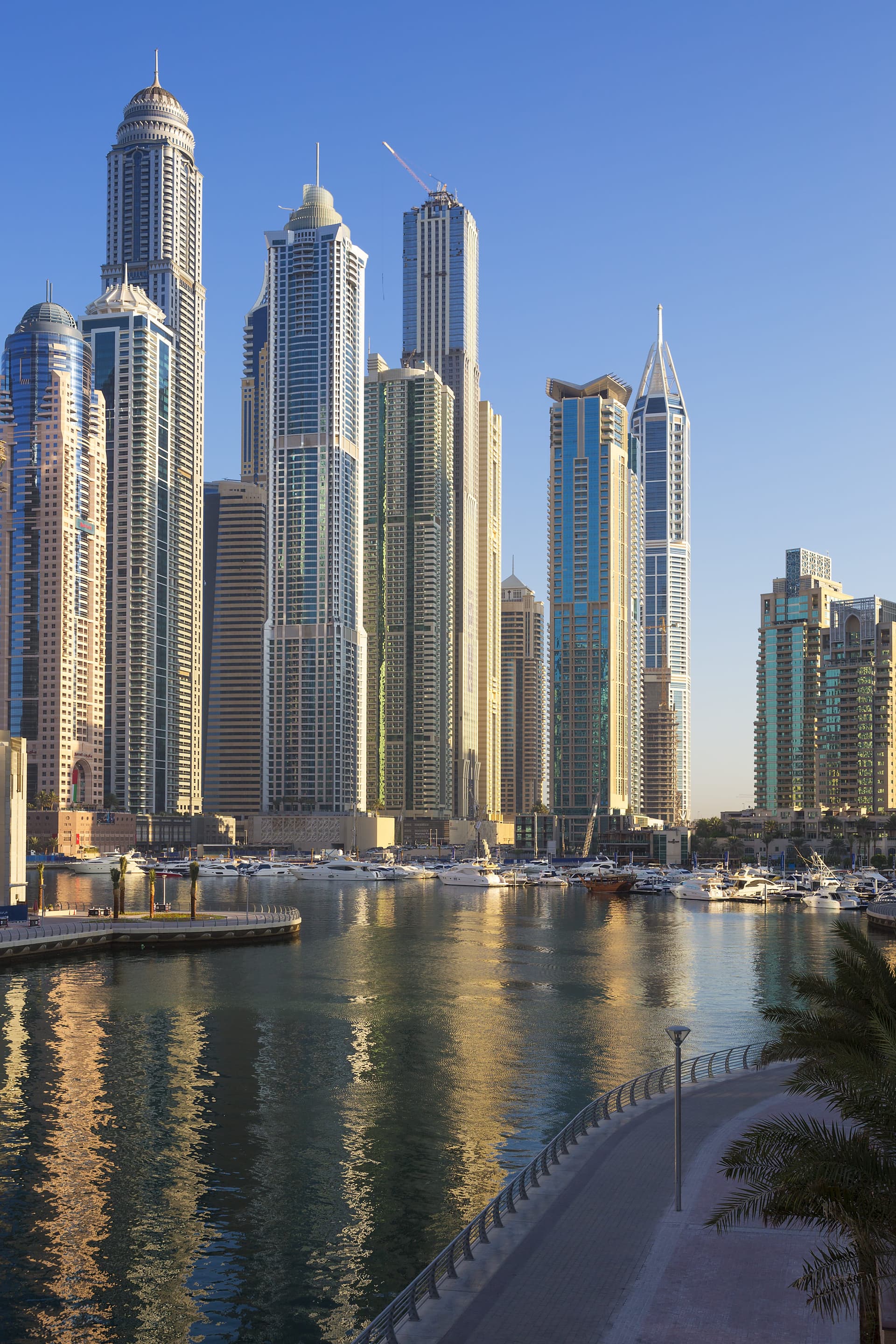
Dubai Marina offers marina views, premium lifestyle amenities, and high rental demand, resulting in fast-moving inventory and rising values. It remains one of Dubai’s most liquid and desirable markets.
Why do analysts expect new highs in 2025?
Analysts point to strong fundamentals — rising population, new investments, tourism strength, and sustained foreign demand — which position Dubai as one of the world’s leading real estate destinations in 2025.