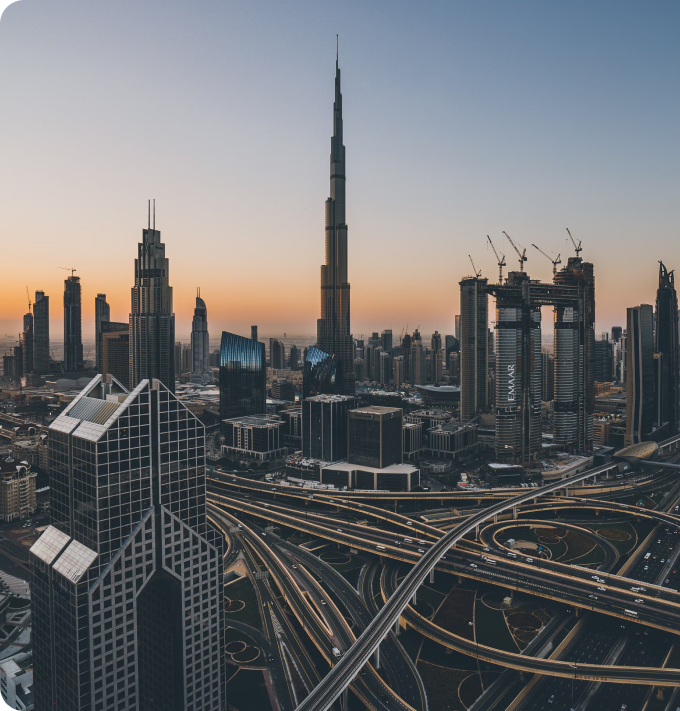
Focus on diversification by exploring opportunities within fractional ownership, which allows investors to buy portions of high-value properties. Toward 2025, this model becomes increasingly attractive for those wishing to enter Dubai’s upscale market without committing to full ownership.
Utilize blockchain technology to enhance transaction security and streamline processes. Platforms using smart contracts create transparency, ensure automatic execution of agreements, and reduce reliance on intermediaries, which can lower associated costs.
Research the local regulations and evolving frameworks that govern tokenized property interests. Regulatory bodies in Dubai continue to refine rules surrounding digital assets to ensure that domestic and international investors operate within a secure and compliant environment.
Engage with professionals active in the tokenization sector. Their insights into market trends, technology integration, and legal requirements can provide a strategic advantage and help you navigate new investment formats effectively.
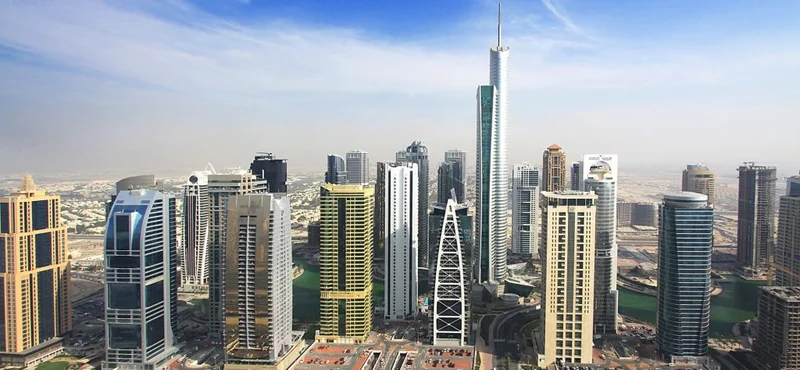
How to Invest in Real Estate Tokens in Dubai
Begin by selecting a regulated platform that offers fractionalized real estate investment opportunities. Review compliance, licensing, and user feedback before committing funds.
Steps to Make an Investment
- Create an Account: Complete onboarding and identity verification as required by UAE regulations (KYC/AML).
- Fund Your Account: Deposit funds via bank transfer, card payment, or other supported methods. Minimum amounts vary by platform.
- Select Property: Evaluate properties based on location, projected returns, and management structure.
- Invest in Tokens: Purchase digital tokens representing fractional ownership of the property.
- Monitor Investment: Track performance through the platform dashboard and stay informed about market updates.
Legal Framework Governing Tokenized Real Estate Transactions
Compliance depends on regulations issued by bodies such as:
- VARA (Virtual Assets Regulatory Authority): Oversees virtual asset activities in Dubai.
- DFSA (Dubai Financial Services Authority): Regulates virtual assets within DIFC.
- DLD & RERA: Manage traditional property registration, ownership rights, and transaction oversight.
Tokenized real estate must adhere to AML/CTF rules, including full KYC procedures and transparent transaction records. Smart contracts used in transfers should reflect binding terms and comply with applicable legal norms.
Collaborating with legal specialists in blockchain and property law is essential to ensure structural integrity, proper documentation, and risk mitigation.
Advantages of Tokenization for Property Developers in Dubai
- Enhanced Liquidity: Fractional ownership expands the investor base.
- Faster Fundraising: Blockchain reduces dependence on lengthy financing procedures.
- Transparency: Immutable ledger technology improves investor trust.
- Global Reach: Digital assets attract investors from diverse markets.
- Lower Costs: Reduced reliance on intermediaries increases overall efficiency.
- Flexible Structuring: Developers can tailor offerings for different investor profiles.
- Smart Contract Automation: Reduces human error and ensures compliance.
Challenges Faced by Investors in Tokenized Real Estate
Key challenges include:
- Regulatory Uncertainty: Rules vary across jurisdictions and evolve over time.
- Market Volatility: Token prices may fluctuate more than traditional assets.
- Liquidity Limitations: Secondary market activity may not always meet expectations.
- Technical Barriers: Lack of blockchain understanding can hinder confident investing.
- Cybersecurity Risks: Investors must choose secure platforms to mitigate hacking risks.
Working with experienced advisors and performing thorough due diligence helps reduce exposure to these risks.
Key Platforms for Real Estate Tokenization in the UAE
- Myco: Focuses on fractionalized real assets with liquidity mechanisms.
- SmartCrowd: Licensed platform enabling accessible property investment.
- Property Vault: Offers tokenization tools for high-value property assets.
- Rizq: A compliance-oriented platform using blockchain solutions.
- RealX: Facilitates digital ownership transfer and valuation insights.
- Landmark: Integrates real estate expertise with blockchain-based investment models.
Choose platforms based on regulatory compliance, transparency, and alignment with investment goals.
Future Trends of Tokenization in Dubai’s Real Estate Market
- Increased demand for fractional ownership
- More regulatory clarity, improving investor confidence
- Integration of AI + blockchain into transaction ecosystems
- Broader real-time analytics for predicting value trends
- Rise of peer-to-peer property transactions
- Growth of sustainability-linked tokenized projects
- Expansion of crowdfunding-based real estate ecosystems
These developments will shape a dynamic, transparent, and globally attractive tokenization environment for Dubai by 2025.
FAQ real estate tokenization in dubai
dubai land department and VARA recently advanced a real estate tokenization project, but how does tokenization enable investors to access the property market through a fractional share of premium real estate recorded on blockchain?
Tokenization enables investors to access the property market by converting a physical property into digital tokens on a blockchain platform, allowing investors to purchase a fractional share of premium real estate. Through the real estate tokenization project supported by the dubai land department and VARA, property ownership details are recorded on blockchain, ensuring transparency and security. This approach expands access to the real estate sector, reduces entry barriers, and supports the future of real estate investing in the region.
How does turning a physical property into digital tokens through property tokenization reshape real estate ownership and support dubai’s property sector strategy under the dubai economic agenda d33?
Turning a physical property into digital tokens through property tokenization creates a new model of real estate ownership by allowing fractional property ownership, making real estate more accessible. This method aligns with the dubai economic agenda d33 and the real estate sector strategy 2033 by modernizing real estate in dubai, enabling tokenized real estate in dubai to attract global investors, and supporting a dynamic real estate environment. It also enhances liquidity in dubai’s property sector and strengthens Dubai’s positioning as a leader in digital real estate transformation.
What role does the Central Bank of the UAE and blockchain infrastructure play in ensuring that tokenized real estate assets and property title deeds can be securely recorded on a blockchain for real estate platforms?
The Central Bank of the UAE supports financial security frameworks that enable blockchain infrastructure to operate safely for tokenized real estate assets. Property title deeds and ownership records can be securely recorded on a blockchain, giving real estate companies and developers confidence in using a tokenization platform. This provides a reliable foundation for digital tokens on a blockchain, ensuring that real estate ownership and transactions remain compliant, tamper-proof, and transparent across dubai’s property market.
How do initiatives like Prypco Mint and their partnership with the Dubai Future Foundation influence real estate tokenisation and digital real estate evolution in Dubai?
Initiatives like Prypco Mint and their partnership with the Dubai Future Foundation accelerate real estate tokenisation by showcasing how tokenization is the process of converting real estate assets into a tokenized asset class that can be traded digitally. Their digital platform supports tokenizing real estate using blockchain technology, enabling investors to invest in property through fractional real estate ownership. This contributes to Dubai’s real estate evolution space and positions Dubai as a global leader in the future of real estate tokenization.
Why is fractional property ownership considered an important feature of tokenization, and how does it benefit investors looking to invest in dubai real estate or build a diverse real estate portfolio?
Fractional property ownership is a key feature of tokenization because it allows investors to access the real estate sector by purchasing smaller portions of physical properties rather than whole units. This makes real estate investing more affordable and flexible for uae id holders and international buyers. It also enables investors to diversify their real estate portfolio across multiple properties in dubai’s property market, reducing risk while participating in the growth of real estate in dubai.
How does the pilot phase of its real estate tokenization project using the XRP ledger demonstrate Dubai’s commitment to blockchain infrastructure and the future of real estate?
The pilot phase of its real estate tokenization project using the XRP ledger demonstrates Dubai’s commitment by showing how blockchain infrastructure can support secure, transparent, and scalable digital tokens on a blockchain. By tokenizing real estate on the XRP ledger, Dubai illustrates how tokenization enables efficient transactions, reduces friction in traditional real estate, and modernizes access to real estate platforms. This reinforces Dubai’s aim of making real estate more accessible, improving the real estate sector, and shaping the future of real estate tokenization within the united arab emirates.
How does dubai’s real estate tokenization create new opportunities for real estate developers and investors seeking access to tokenized real-world assets worth of real estate?
dubai’s real estate tokenization creates new opportunities by enabling real estate developers to convert high-value dubai properties into tokenized real-world assets that investors can purchase in smaller fractions. Since estate tokenization is the process of transforming physical property into digital shares, it increases liquidity and opens the market to more participants. This modern approach allows investors to buy portions of assets worth of real estate while giving developers faster access to capital and a broader global investor base.
How does a real estate tokenization platform formed in partnership with the Dubai Land Department support dubai is positioning itself as a global leader in digital property markets?
A real estate tokenization platform formed in partnership with the Dubai Land Department ensures regulatory compliance, transparency, and secure recording of ownership, strengthening confidence in dubai's real estate tokenization. By standardizing digital asset frameworks and enabling secure trading of fractions of dubai properties, Dubai is positioning itself as a global leader in technologically advanced property markets. This regulated environment accelerates innovation, attracts foreign investment, and reinforces trust in dubai’s real estate tokenization ecosystem.